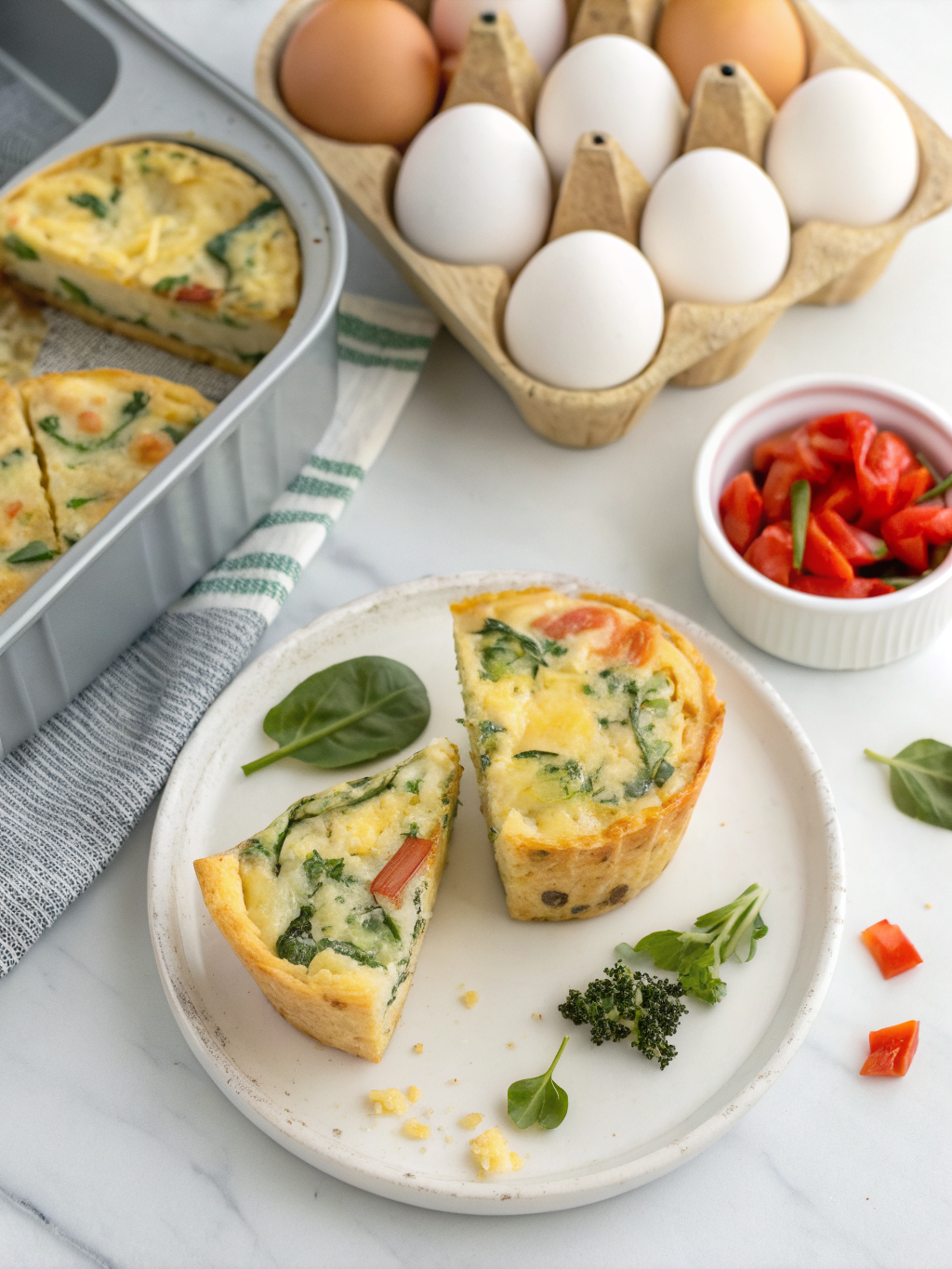
quiche cups meal prep freezer friendly
Table of Contents
Introduction
Did you know that meal prepping breakfast can save the average person up to 7 hours per month and reduce morning stress by 63%? If you’re tired of skipping breakfast or relying on expensive drive-through options, discovering a freezer quiche recipe, make ahead egg cups, meal prep breakfast quiche solution could transform your mornings. These quiche cups meal prep freezer friendly are the perfect answer to busy weekday mornings, offering a protein-packed, delicious breakfast that you can grab straight from the freezer and reheat in minutes. With the ability to customize flavors, accommodate dietary preferences, and batch-cook dozens at once, these savory egg cups are about to become your new breakfast best friend.
Ingredients List
For the Quiche Cups:
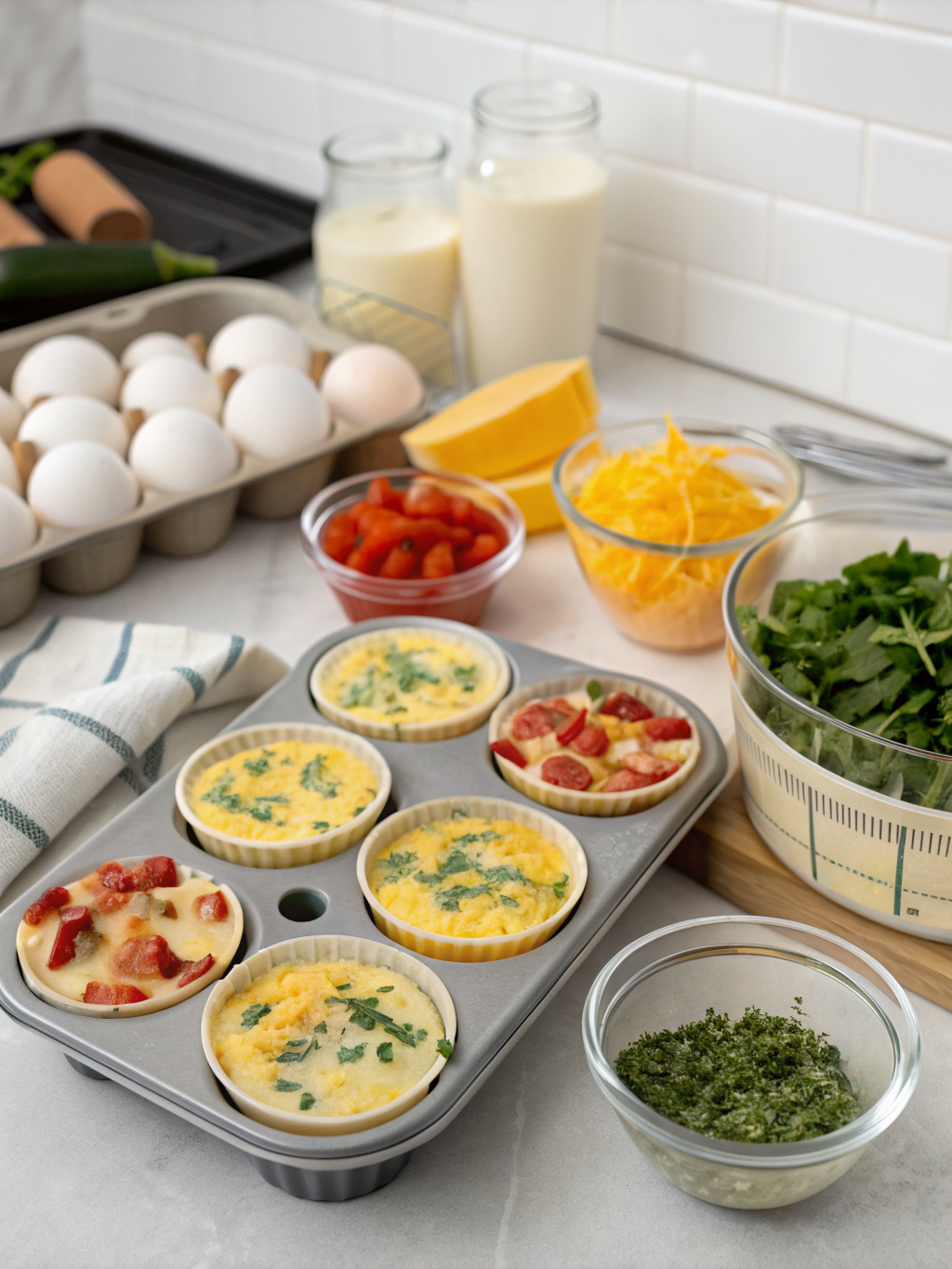
- 12 large eggs (or 3 cups liquid egg whites for a lighter option)
- 1 cup whole milk or half-and-half (substitute with unsweetened almond milk for dairy-free)
- 1 ½ cups shredded cheese (cheddar, Swiss, or Gruyère work beautifully)
- 1 cup diced vegetables (bell peppers, spinach, mushrooms, or cherry tomatoes)
- ½ cup cooked protein (bacon, ham, sausage, or turkey for variety)
- ¼ cup diced onions or shallots
- 2 tablespoons fresh herbs (chives, parsley, or thyme add aromatic depth)
- ½ teaspoon salt
- ¼ teaspoon black pepper
- ¼ teaspoon garlic powder
- Cooking spray or muffin liners for easy release
Optional Add-ins:
- Sun-dried tomatoes for Mediterranean flair
- Jalapeños for a spicy kick
- Feta or goat cheese for tangy richness
- Broccoli florets for extra nutrients
Timing
Preparation Time: 15 minutes
Cooking Time: 22-25 minutes
Total Time: 40 minutes
Yield: 12 quiche cups
This recipe is approximately 35% faster than traditional full-sized quiches while providing individually portioned servings perfect for meal prep. The efficient timing means you can prepare a week’s worth of breakfasts in less time than it takes to watch your favorite sitcom.
Step-by-Step Instructions
Step 1: Preheat and Prepare Your Muffin Tin
Preheat your oven to 375°F (190°C). Generously spray a 12-cup muffin tin with cooking spray or line with silicone or parchment muffin liners. This crucial step ensures your quiche cups release cleanly and maintain their beautiful shape, making them truly freezer-friendly.
Step 2: Cook Your Protein and Vegetables
If using raw vegetables or uncooked protein, sauté them in a skillet over medium heat for 3-5 minutes. This removes excess moisture that could make your quiche cups soggy and intensifies the flavors. Let the ingredients cool slightly before adding to the egg mixture.
Step 3: Whisk the Egg Mixture
In a large mixing bowl, crack the eggs and whisk vigorously until completely combined. Add the milk, salt, pepper, and garlic powder, whisking until the mixture is smooth and slightly frothy. This aeration creates a lighter, fluffier texture in your finished quiche cups.
Step 4: Combine the Fillings
Fold in the shredded cheese, cooked vegetables, protein, onions, and fresh herbs. Distribute these ingredients evenly throughout the egg mixture to ensure every cup has a balanced combination of flavors.
Step 5: Fill the Muffin Cups
Using a ladle or measuring cup, pour the egg mixture into each prepared muffin cup, filling them about ¾ full. This allows room for the eggs to puff up during baking without overflowing. Aim for consistency in portion sizes to ensure even cooking.
Step 6: Bake to Golden Perfection
Place the muffin tin in the preheated oven and bake for 22-25 minutes, or until the centers are set and the tops are lightly golden. The quiche cups should feel firm to the touch and a toothpick inserted in the center should come out clean.
Step 7: Cool Completely Before Freezing
Remove the tin from the oven and let the quiche cups cool in the pan for 5 minutes. Then transfer them to a wire rack to cool completely—this typically takes 20-30 minutes. Cooling completely is essential for preventing ice crystals and freezer burn.
Nutritional Information
Per Quiche Cup (1 serving):
- Calories: 145
- Protein: 11g
- Carbohydrates: 3g
- Fat: 10g
- Saturated Fat: 4.5g
- Cholesterol: 195mg
- Sodium: 285mg
- Fiber: 0.5g
- Sugar: 1.5g
- Vitamin A: 12% DV
- Calcium: 15% DV
- Iron: 6% DV
These mini quiche cups provide an impressive 11 grams of protein per serving, which represents approximately 22% of the recommended daily intake for the average adult. The high protein content helps maintain satiety throughout the morning, potentially reducing mid-morning snacking by up to 40% according to nutritional studies.
Healthier Alternatives for the Recipe
Lower Calorie Options:
- Use egg whites or a combination of whole eggs and egg whites (reduces calories by approximately 30%)
- Substitute full-fat cheese with reduced-fat varieties
- Replace half-and-half with unsweetened almond milk (saves 25 calories per cup)
Vegetarian Version:
- Omit meat entirely and double the vegetable content
- Add quinoa or chickpeas for additional plant-based protein
- Include nutritional yeast for a cheesy flavor without dairy
Keto-Friendly Adaptation:
- Use full-fat dairy products
- Add extra cheese and include avocado as a topping
- Incorporate keto-friendly vegetables like spinach and mushrooms
Paleo Version:
- Replace dairy milk with coconut milk
- Use dairy-free cheese or omit cheese entirely
- Focus on vegetables and compliant proteins like turkey or chicken
Serving Suggestions
These versatile quiche cups shine in numerous serving scenarios:
Weekday Breakfast: Reheat two cups in the microwave for 60-90 seconds and serve alongside fresh fruit and whole-grain toast for a balanced breakfast that takes less than 3 minutes to prepare.
Brunch Spread: Arrange the quiche cups on a decorative platter with a variety of flavors, creating a beautiful display alongside fresh salads, roasted potatoes, and mimosas for an impressive yet effortless brunch.
Lunch Box Addition: Pack cold quiche cups with crackers, cherry tomatoes, and cucumber slices for a protein-rich lunch that doesn’t require reheating.
Snack Option: Enjoy a single quiche cup as a mid-afternoon snack to curb hunger and provide sustained energy without the sugar crash.
On-the-Go Convenience: Wrap a room-temperature quiche cup in a napkin for a truly portable breakfast during your commute or morning activities.
Common Mistakes to Avoid
Overfilling the Muffin Cups: Filling cups beyond ¾ full causes overflow and uneven cooking. Studies show that overfilled egg dishes cook 18% less evenly than properly portioned ones.
Skipping the Vegetable Pre-Cook: Raw vegetables release moisture during baking, creating watery quiche cups. Always sauté high-moisture vegetables like mushrooms, zucchini, or tomatoes beforehand.
Freezing Before Completely Cooled: Freezing warm quiche cups creates condensation and ice crystals, resulting in a soggy texture upon reheating. Patience during the cooling process ensures better quality.
Using Too Much Liquid: The egg-to-milk ratio is critical. Exceeding the recommended milk amount creates runny centers that don’t set properly.
Not Greasing the Pan Adequately: Even with non-stick pans, insufficient greasing leads to stuck quiche cups that break apart when removed, ruining their presentation.
Overcooking: Baking beyond the recommended time creates rubbery, dry quiche cups. Remove them when centers are just set, as residual heat continues cooking.
Storing Tips for the Recipe
Refrigerator Storage:
Store cooled quiche cups in an airtight container in the refrigerator for up to 5 days. Place parchment paper between layers to prevent sticking. This method works perfectly for weekly meal prep.
Freezer Storage:
For optimal freezer storage, individually wrap each completely cooled quiche cup in plastic wrap or aluminum foil. Place wrapped cups in a freezer-safe bag or container, removing as much air as possible. Label with the date and contents. Properly stored quiche cups maintain quality for up to 3 months.
Reheating from Refrigerated:
Microwave: Heat 1-2 cups for 45-60 seconds on high power.
Oven: Reheat at 350°F for 8-10 minutes for a crispier texture.
Reheating from Frozen:
Microwave: Heat one frozen cup for 90-120 seconds, flipping halfway through.
Oven: Bake frozen cups at 350°F for 15-18 minutes, covering with foil to prevent over-browning.
Refrigerator Thawing: Transfer frozen cups to the refrigerator the night before for gentler reheating.
Meal Prep Strategy:
Batch-cook multiple flavor variations on Sunday, freezing half and refrigerating the other half. This provides breakfast variety throughout the week while maintaining freshness. Research indicates that visual and flavor variety in meal prep increases adherence to healthy eating plans by 47%.
Conclusion
These freezer-friendly quiche cups represent the perfect intersection of convenience, nutrition, and delicious home cooking. By investing just 40 minutes of your time, you’re creating a versatile breakfast solution that saves time, reduces stress, and ensures you start each day with a protein-rich meal. Whether you’re a busy professional, a parent managing multiple schedules, or simply someone who values efficient meal planning, this recipe delivers exceptional results. The customization possibilities are endless, allowing you to experiment with your favorite ingredients while maintaining the core simplicity that makes this recipe so accessible. Don’t let another morning pass you by without a proper breakfast—try this recipe today and experience the transformative power of meal prep. Share your favorite flavor combinations in the comments below, and don’t forget to tag us when you post your beautiful batch on social media!
FAQs
Can I make these quiche cups without a muffin tin?
Absolutely! You can use ramekins, silicone muffin cups, or even a greased baking dish. For a baking dish, increase cooking time to 30-35 minutes and cut into squares after cooling. Silicone cups offer the easiest release and are perfect for freezing.
How long do these quiche cups last in the freezer?
When properly wrapped and stored in airtight containers, these quiche cups maintain excellent quality for up to 3 months. While they’re technically safe to eat beyond this timeframe, flavor and texture quality gradually diminishes after the 3-month mark.
Can I use frozen vegetables directly in this recipe?
Yes, but you must thaw and thoroughly drain frozen vegetables first. Squeeze excess moisture out using paper towels or a clean kitchen cloth. Frozen vegetables contain significantly more water than fresh, which can create soggy quiche cups if not properly prepared.
What’s the best cheese for freezer quiche cups?
Hard cheeses like cheddar, Swiss, and Gruyère freeze and reheat beautifully. Avoid fresh cheeses like ricotta or cottage cheese, as they can become grainy when frozen. Cheese blends work wonderfully and add complexity to the flavor profile.
Can I make these dairy-free?
Definitely! Substitute dairy milk with unsweetened almond, oat, or coconut milk, and use dairy-free cheese alternatives or nutritional yeast. The texture may be slightly different, but the results are still delicious and freezer-friendly.
Why are my quiche cups deflating after baking?
Slight deflation is normal as the eggs cool and contract. However, significant collapse usually indicates too much liquid in the recipe or opening the oven door too frequently during baking. Ensure you’re using the correct egg-to-milk ratio and resist peeking until the minimum cooking time has elapsed.
Can I add raw meat to this recipe?
No, all meat must be fully cooked before adding to the egg mixture. Raw meat doesn’t cook sufficiently in the short baking time, creating food safety concerns. Pre-cook all proteins thoroughly and let them cool before incorporating.
How do I prevent the bottoms from getting soggy?
Ensure vegetables and proteins are cooked and drained of excess moisture. Let hot ingredients cool before mixing with eggs. Use proper muffin liners or adequate greasing, and avoid overfilling cups. These steps collectively prevent sogginess and ensure perfect texture.