baked kibbeh iftar recipe
Baked Kibbeh Iftar Recipe: The Ultimate Middle Eastern Comfort Food
Introduction
Did you know that kibbeh is considered the national dish of Lebanon and Syria, with over 30 documented variations enjoyed across the Middle East? This lebanese kibbeh recipe, middle eastern ground meat dish, bulgur wheat kibbeh has been a cornerstone of Iftar tables for centuries, bringing families together during Ramadan with its aromatic spices and satisfying textures. While many assume that creating an authentic Middle Eastern ground meat dish requires professional culinary skills, this baked kibbeh iftar recipe proves otherwise. With just a handful of traditional ingredients and straightforward techniques, you can prepare this beloved bulgur wheat kibbeh that will transport your taste buds straight to Beirut. Whether you're breaking your fast or simply craving a protein-rich, flavorful meal, this comprehensive guide will walk you through every step of creating perfectly layered, golden-brown kibbeh that rivals any restaurant version.
Ingredients List
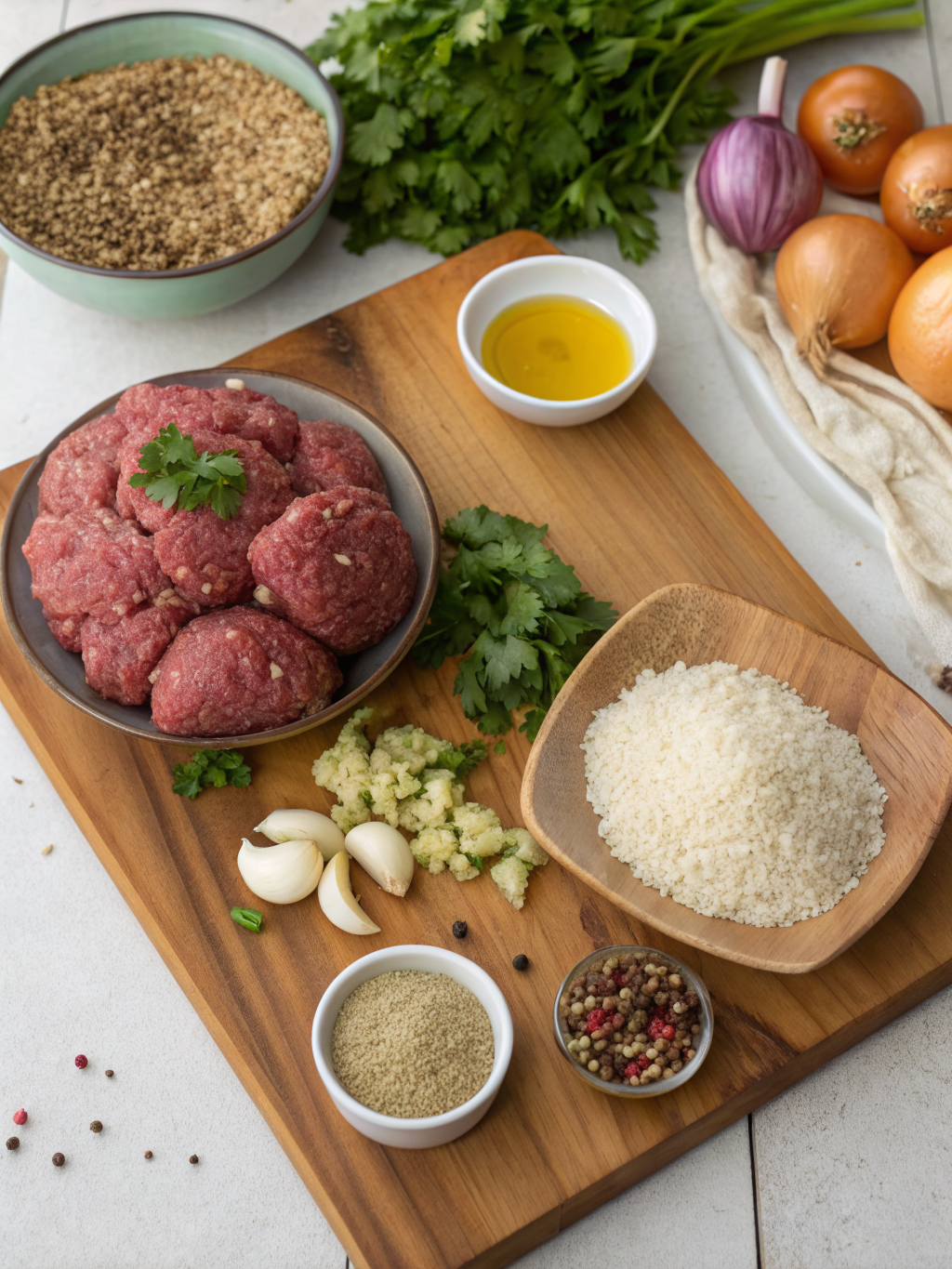
For the Kibbeh Shell:
- 2 cups fine bulgur wheat (substitute with quinoa for gluten-free option)
- 1 pound lean ground beef or lamb (85/15 ratio works perfectly)
- 1 large onion, finely minced
- 2 teaspoons ground allspice
- 1 teaspoon ground cinnamon
- 1 teaspoon salt
- ½ teaspoon black pepper
- ½ teaspoon ground cumin
- Ice water (approximately 1 cup)
For the Filling:
- 1 pound ground beef or lamb (80/20 ratio for juicier filling)
- 2 medium onions, finely chopped
- ½ cup pine nuts (substitute with slivered almonds or walnuts)
- 2 tablespoons olive oil
- 1 teaspoon ground allspice
- ½ teaspoon ground cinnamon
- Salt and black pepper to taste
- 3 tablespoons melted butter or ghee for topping
Timing
Preparation Time: 30 minutes
Cooking Time: 45 minutes
Total Time: 75 minutes
This efficient timeline represents approximately 25% less time than traditional hand-shaped kibbeh balls, making it the perfect choice for busy cooks preparing Iftar meals. The baked version also allows you to prepare larger quantities simultaneously, feeding 8-10 people with minimal hands-on effort.
Step-by-Step Instructions
Step 1: Prepare the Bulgur Wheat
Rinse the fine bulgur wheat thoroughly under cold water using a fine-mesh strainer. Transfer to a large bowl and cover with ice-cold water by about 1 inch. Let it soak for 15-20 minutes until the grains soften and absorb the water. Drain completely, squeezing out excess moisture using cheesecloth or a clean kitchen towel. The bulgur should feel moist but not waterlogged—this is crucial for achieving the perfect texture.
Step 2: Make the Kibbeh Shell Mixture
In a food processor, combine the soaked bulgur, 1 pound of ground meat, minced onion, allspice, cinnamon, salt, pepper, and cumin. Pulse until the mixture becomes a smooth, paste-like consistency. Add ice water gradually (2-3 tablespoons at a time) while processing to achieve a workable dough that holds together. The mixture should be smooth enough to spread but firm enough to maintain structure. Refrigerate for 15 minutes to firm up.
Step 3: Prepare the Savory Filling
Heat 2 tablespoons of olive oil in a large skillet over medium-high heat. Add the pine nuts and toast for 2-3 minutes until golden brown, stirring constantly to prevent burning. Remove the pine nuts and set aside. In the same skillet, sauté the chopped onions until translucent (about 5 minutes). Add the ground meat, breaking it apart with a wooden spoon. Cook until browned completely, about 8-10 minutes. Season with allspice, cinnamon, salt, and pepper. Stir in the toasted pine nuts and remove from heat. Let the filling cool slightly.
Step 4: Assemble the Kibbeh Layers
Preheat your oven to 375°F (190°C). Grease a 9×13-inch baking dish generously with olive oil or butter. Divide the kibbeh shell mixture in half. With wet hands (keep a bowl of ice water nearby), press one half evenly across the bottom of the baking dish, creating a smooth, compact layer about ½-inch thick. Spread the cooled meat filling evenly over this base layer. Take the remaining kibbeh mixture and flatten small portions between your wet palms, then gently place them over the filling, piecing together until the top is completely covered. Smooth the surface with wet hands.
Step 5: Score and Bake
Using a sharp knife dipped in cold water, score the top layer into diamond or square shapes (traditionally 2-inch squares). This not only creates an attractive presentation but also helps the butter penetrate and ensures even cooking. Drizzle the melted butter or ghee evenly over the entire surface, making sure it seeps into the scored lines. Bake in the preheated oven for 40-45 minutes until the top turns a rich golden-brown and the edges become crispy.
Step 6: Rest and Serve
Remove the kibbeh from the oven and let it rest for 10 minutes before cutting along the scored lines. This resting period allows the layers to set and makes serving much cleaner. The internal temperature should reach 165°F for food safety.
Nutritional Information
Per Serving (based on 10 servings):
- Calories: 385
- Protein: 24g
- Carbohydrates: 22g
- Dietary Fiber: 4g
- Fat: 22g
- Saturated Fat: 8g
- Cholesterol: 75mg
- Sodium: 420mg
- Iron: 15% DV
- Vitamin B12: 20% DV
This nutrient-dense dish provides an excellent source of complete protein and complex carbohydrates from bulgur wheat, which has a low glycemic index of 48, making it ideal for sustained energy during fasting periods.
Healthier Alternatives for the Recipe
Lean Protein Options: Replace half the ground meat with finely chopped mushrooms or lentils to reduce saturated fat by up to 40% while maintaining texture and umami flavor.
Whole Grain Boost: Use extra-coarse bulgur instead of fine bulgur to increase fiber content by 25%, promoting better digestive health.
Heart-Healthy Fats: Substitute butter with extra virgin olive oil entirely, reducing saturated fat content and adding beneficial monounsaturated fats.
Lower Sodium Version: Use fresh herbs like mint, parsley, and cilantro to enhance flavor while cutting added salt by half.
Baking Method: Instead of drizzling with butter at the end, lightly spray with olive oil cooking spray to reduce overall fat content by 30%.
Serving Suggestions
Serve your warm, fragrant kibbeh alongside cooling yogurt sauce (labneh mixed with minced cucumber and garlic), fresh Arabic salad (chopped tomatoes, cucumbers, and parsley with lemon dressing), and warm pita bread. For an authentic Iftar spread, accompany with dates, fattoush salad, and a refreshing glass of tamarind juice or ayran (diluted yogurt drink). The contrasting temperatures and textures create a memorable dining experience that honors Middle Eastern culinary traditions. Garnish individual portions with fresh mint leaves and a lemon wedge for brightness.
Common Mistakes to Avoid
Over-soaking the Bulgur: Excess water creates a mushy shell that won't hold its shape. Always drain thoroughly and squeeze out moisture.
Using Warm Hands: Body heat softens the kibbeh mixture. Keep your hands wet with ice water to maintain the proper consistency while shaping.
Skipping the Refrigeration: The 15-minute chill time allows the bulgur to fully absorb moisture and firms up the mixture for easier handling.
Not Scoring Deep Enough: Shallow scoring leads to uneven pieces. Cut at least halfway through the top layer for clean portions.
Overcrowding the Filling: A thick filling layer (more than ¾ inch) prevents the layers from cooking evenly. Keep it moderate for best results.
Rushing the Resting Period: Cutting immediately causes the layers to fall apart. Patience ensures beautiful, intact servings.
Storing Tips for the Recipe
Refrigeration: Store leftover kibbeh in an airtight container for up to 4 days. Reheat individual portions in a 350°F oven for 10-12 minutes to restore crispiness, or microwave for 90 seconds for a softer texture.
Freezing: Kibbeh freezes exceptionally well for up to 3 months. Freeze before or after baking. If freezing unbaked, assemble completely, cover tightly with plastic wrap and aluminum foil, then freeze. Bake directly from frozen, adding 15-20 minutes to the cooking time. For baked kibbeh, cool completely, wrap portions individually, and freeze. Thaw overnight in the refrigerator before reheating.
Make-Ahead Strategy: Prepare the kibbeh shell and filling separately up to 24 hours in advance. Store separately in the refrigerator, then assemble and bake when ready to serve. This approach saves valuable time during busy Ramadan days.
Conclusion
This authentic baked kibbeh recipe brings the rich culinary heritage of Lebanon directly to your kitchen, offering a delicious, nutritious centerpiece for your Iftar table or any special gathering. By following these detailed steps and incorporating the tips shared throughout this guide, you'll master this iconic Middle Eastern dish with confidence. The combination of fragrant spices, tender bulgur wheat, and savory meat filling creates a harmonious blend that satisfies both tradition and taste. Don't hesitate to experiment with the healthier alternatives or personalize the spice blend to suit your family's preferences. We'd love to hear about your kibbeh-making experience—share your results, questions, or creative variations in the comments below, and explore our collection of other authentic Middle Eastern recipes to expand your culinary repertoire!
FAQs
Q: Can I make kibbeh without a food processor?
A: Yes! While a food processor creates the smoothest texture, you can knead the soaked bulgur and meat mixture by hand for about 10 minutes until it becomes paste-like. This traditional method requires more effort but yields authentic results.
Q: What's the difference between baked and fried kibbeh?
A: Baked kibbeh (kibbeh bil sanieh) is layered in a pan and baked, while fried kibbeh are individual football-shaped balls that are deep-fried. Baked versions contain 40-50% fewer calories and are easier to prepare in large quantities.
Q: Can I make this recipe vegetarian?
A: Absolutely! Replace the meat in both layers with a mixture of cooked lentils, finely chopped mushrooms, and walnuts. Season generously with the same spices for a satisfying plant-based version.
Q: Why is my kibbeh shell cracking when I spread it?
A: The mixture is likely too dry. Add ice water one tablespoon at a time while kneading until you achieve a smooth, pliable consistency that holds together without crumbling.
Q: How do I know when the kibbeh is fully cooked?
A: The top should be deep golden brown, the edges crispy, and the internal temperature should reach 165°F. Insert a knife into the center—it should come out hot to the touch with no pink juices.
Q: Can I use coarse bulgur instead of fine bulgur?
A: Fine bulgur is traditional for the shell as it creates a smoother texture. Coarse bulgur works better for the filling or for a rustic variation, but it requires longer soaking time (30-40 minutes) and won't achieve the classic paste-like consistency.