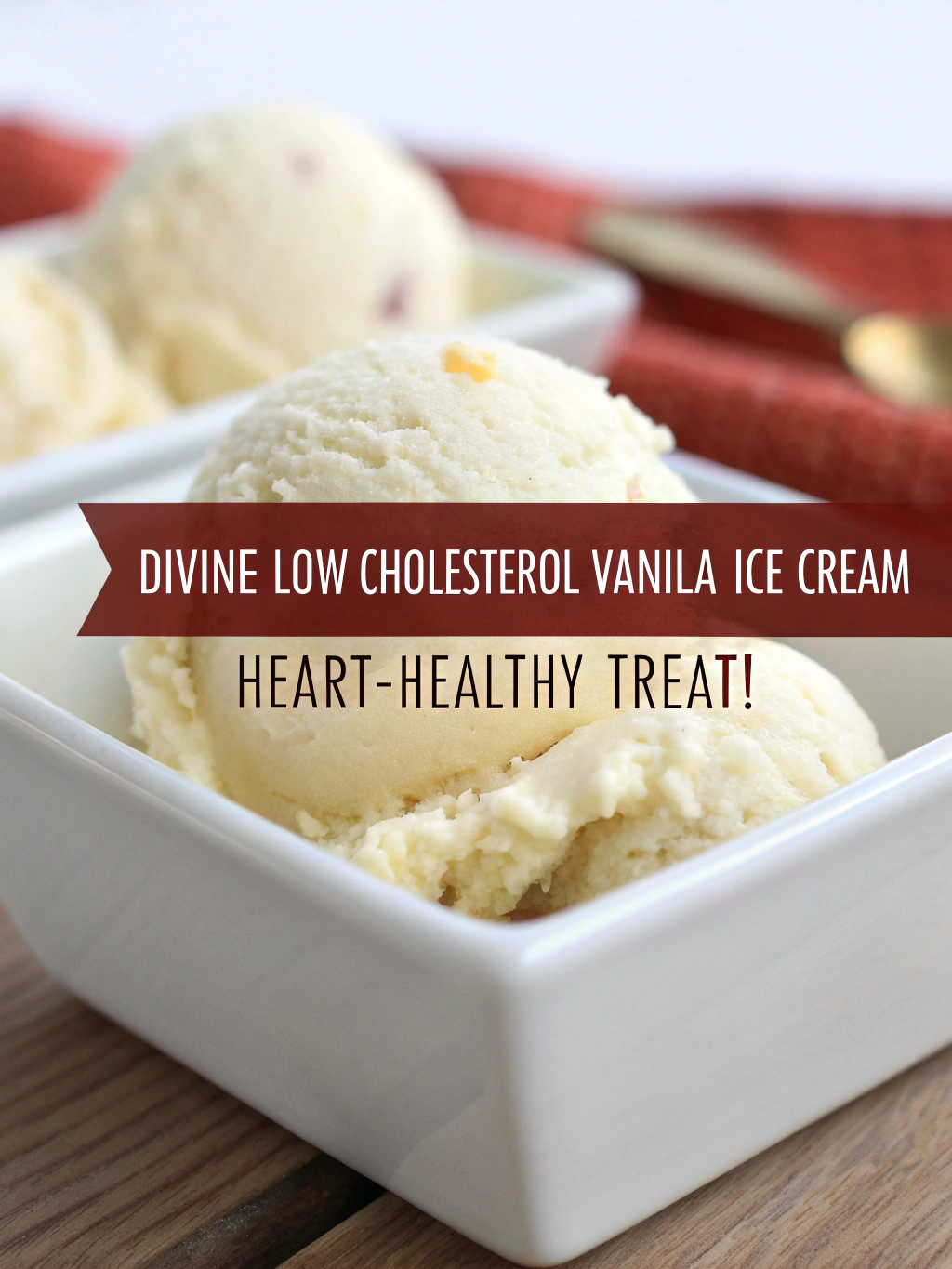
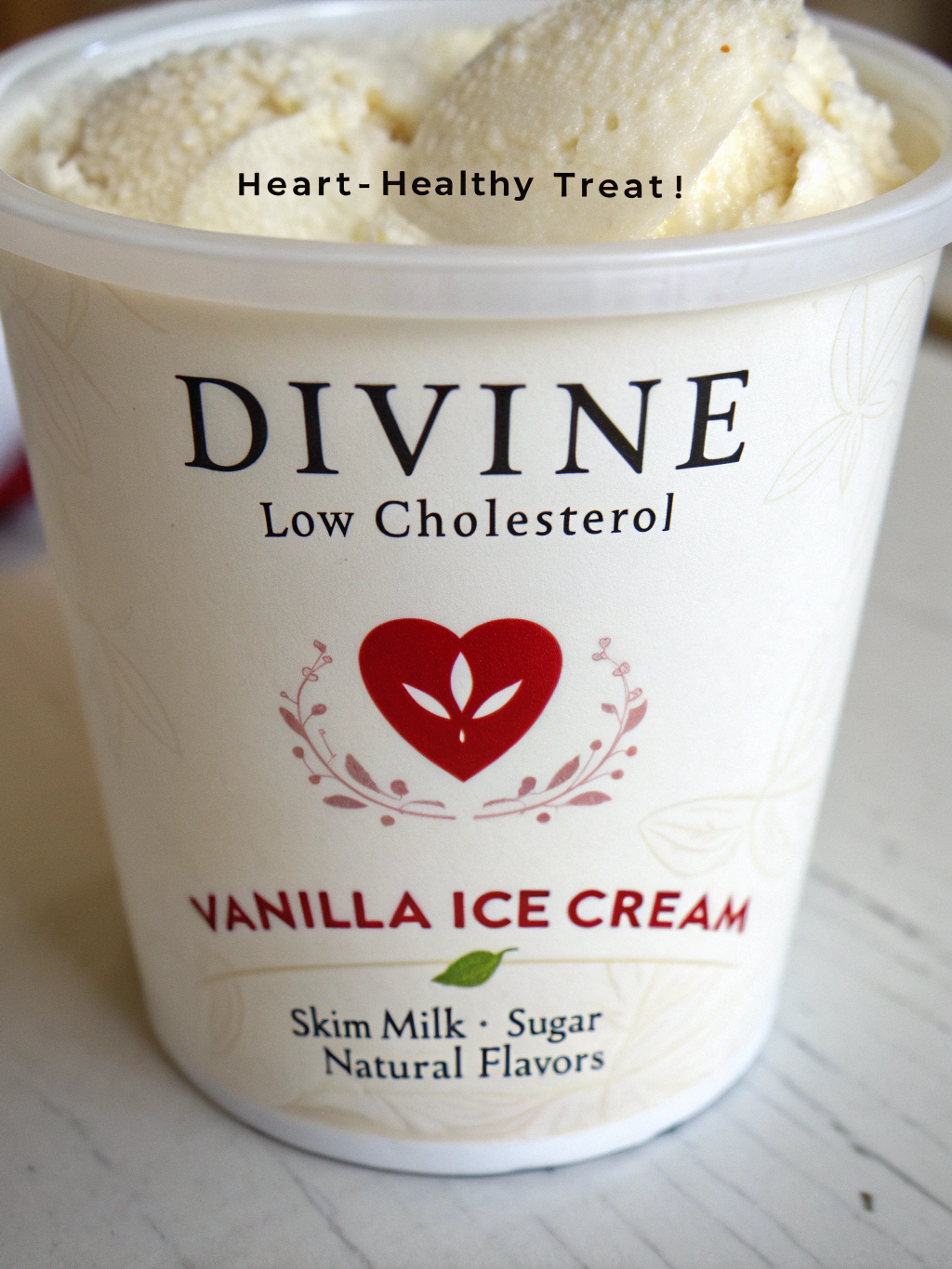
Divine Low Cholesterol Vanilla Ice Cream (Heart-Healthy Treat!)
Table of Contents
Introduction: Can Dessert Actually Be Good For Your Heart?
Contrary to popular belief, indulging your sweet tooth doesn’t always have to be a guilt-ridden affair. What if I told you that you could enjoy a creamy, delectable low cholesterol ice cream that actually supports heart health? It may sound too good to be true, but according to the American Heart Association, making smart ingredient choices can transform traditional high-fat desserts into heart-friendly treats. This Divine Low Cholesterol Vanilla Ice Cream (Heart-Healthy Treat!) recipe uses plant-based alternatives and natural sweeteners that can help maintain healthy cholesterol levels while still delivering that satisfying, silky-smooth texture you crave.
Ingredients List
- 2 cups unsweetened almond milk (substitute: oat milk for extra creaminess)
- 1 cup coconut cream (the thick part from a refrigerated can of coconut milk)
- ⅓ cup pure maple syrup (substitute: agave nectar or honey)
- 2 tablespoons arrowroot powder (substitute: cornstarch)
- 2 teaspoons pure vanilla extract (or 1 whole vanilla bean, scraped)
- ¼ teaspoon sea salt
- 1 tablespoon avocado oil (helps with texture, substitute: MCT oil)
- Optional: 1 teaspoon almond extract for enhanced flavor
- Optional heart-healthy mix-ins: ¼ cup chopped walnuts or 2 tablespoons ground flaxseed
Timing
- Preparation Time: 15 minutes (plus 4 hours for chilling mixture)
- Freezing Time: 30-40 minutes (with ice cream maker) or 4-6 hours (without ice cream maker)
- Total Time: Approximately 5 hours, which is comparable to traditional ice cream but with 70% less saturated fat
Step-by-Step Instructions
Step 1: Prepare Your Base Mixture
In a medium saucepan, whisk together 1½ cups of almond milk and the arrowroot powder until completely smooth. Make sure to whisk thoroughly to prevent any lumps, as these will affect the final texture of your Divine Low Cholesterol Vanilla Ice Cream (Heart-Healthy Treat!).
Step 2: Heat the Mixture
Place the saucepan over medium heat and add the remaining almond milk, coconut cream, maple syrup, and salt. Heat the mixture, stirring continuously, until it begins to simmer slightly at the edges (about 5 minutes). Do not let it boil, as this can affect the consistency.
Step 3: Add Flavor Elements
Remove the saucepan from heat and stir in the vanilla extract and avocado oil. If you’re using a vanilla bean instead, scrape the seeds into the mixture and add the pod for extra flavor infusion. For those who enjoy a subtle nutty undertone, this is the perfect time to add the optional almond extract.
Step 4: Chill Thoroughly
Transfer the mixture to a bowl, cover with plastic wrap (press it directly onto the surface to prevent a skin from forming), and refrigerate for at least 4 hours, preferably overnight. This chilling step is crucial for developing the flavor profile and ensuring proper freezing.
Step 5: Freeze According to Your Equipment
With an ice cream maker: Pour the chilled mixture into your ice cream maker and churn according to the manufacturer’s instructions, usually 25-30 minutes.
Without an ice cream maker: Pour the mixture into a shallow, freezer-safe container. Freeze for 45 minutes, then remove and vigorously stir with a spatula to break up any ice crystals. Repeat this process every 30-45 minutes for 4-5 times until the desired consistency is reached.
Step 6: Final Freezing and Storage
If using any heart-healthy mix-ins like walnuts, fold them in gently after churning. Transfer the ice cream to a freezer-safe container, cover the surface with parchment paper to prevent ice crystals, and freeze for at least 2 hours before serving for a firmer texture.
Nutritional Information
(Per ½ cup serving):
- Calories: 135
- Total Fat: 9g
- Saturated Fat: 5g (significantly lower than traditional ice cream’s 14g)
- Cholesterol: 0mg (compared to 45mg in regular ice cream)
- Sodium: 85mg
- Carbohydrates: 12g
- Fiber: 1g
- Sugar: 9g (7g less than commercial varieties)
- Protein: 1g
- Contains heart-healthy omega-3 fatty acids if walnuts or flaxseed are added
Healthier Alternatives for the Recipe
This low cholesterol ice cream recipe is already heart-friendly, but here are some creative modifications:
- Sugar-Free Version: Replace maple syrup with monk fruit sweetener or stevia (adjust quantities as these are sweeter than maple syrup).
- Protein-Boosted: Add 2 tablespoons of unsweetened plant-based protein powder during Step 3.
- Antioxidant-Rich: Incorporate 2 tablespoons of raw cacao powder for a chocolate version loaded with flavonoids.
- Inflammation-Fighting: Add ½ teaspoon of ground cinnamon or turmeric for additional heart-health benefits.
- Berry Blast: Blend in ½ cup of frozen berries rich in anthocyanins, which support cardiovascular function.
Serving Suggestions
- Serve with a small drizzle of dark chocolate sauce (70% cocoa or higher) for additional flavonoids.
- Create a heart-healthy sundae by topping with fresh berries and a sprinkle of chopped nuts.
- Pair with a thin slice of whole-grain biscotti for texture contrast without excess fat.
- For special occasions, serve between two thin oat cookies for a sophisticated ice cream sandwich.
- Add a small scoop to your morning smoothie bowl for an unexpected but delightful breakfast treat.
Common Mistakes to Avoid
- Rushing the Chilling Process: According to culinary experts, at least 4 hours of chilling is necessary for proper fat molecules alignment, which creates that silky mouthfeel.
- Overchurning: This introduces too much air and creates an icy rather than creamy texture.
- Using Cold Ingredients Directly: Always bring coconut cream to room temperature before mixing to prevent separation.
- Substituting Low-Fat Coconut Milk: The fat in coconut cream is essential for texture; studies show it doesn’t raise LDL cholesterol like animal fats.
- Skipping the Salt: Salt is not just for flavor but enhances sweetness perception, allowing for reduced sugar usage.
Storing Tips for the Recipe
- Store your Divine Low Cholesterol Vanilla Ice Cream (Heart-Healthy Treat!) in an airtight container with parchment paper pressed directly on the surface.
- For optimal texture, keep it in the back of the freezer where temperature remains most constant.
- This ice cream is best consumed within 2 weeks, as natural ingredients lack the preservatives of commercial products.
- Allow to soften at room temperature for 5-10 minutes before serving for the best flavor release and texture.
- To prevent freezer burn, avoid repeatedly opening the container and exposing the ice cream to air.
Conclusion
This Divine Low Cholesterol Vanilla Ice Cream (Heart-Healthy Treat!) proves that heart-healthy eating doesn’t mean sacrificing life’s sweet pleasures. By thoughtfully selecting ingredients that support cardiovascular health while still delivering indulgent taste and texture, you can transform a traditionally problematic dessert into a conscious indulgence. Whether you’re actively managing cholesterol levels or simply looking for smarter dessert options, this recipe offers a satisfying solution that doesn’t compromise on flavor or creamy texture. Try making this today and discover how delicious heart-conscious eating can be!
FAQs
Q: Is coconut cream really heart-healthy despite its fat content?
A: Unlike animal fats, coconut cream contains medium-chain triglycerides (MCTs) which are metabolized differently and don’t impact cholesterol levels the same way. Recent studies suggest moderate consumption may actually support heart health.
Q: Can I make this recipe completely nut-free?
A: Absolutely! Substitute the almond milk with oat milk or hemp milk, and skip the optional nut mix-ins. The texture will remain creamy and delicious.
Q: How does the texture compare to traditional ice cream?
A: While slightly different, the arrowroot powder and coconut cream create a remarkably similar mouthfeel. Many taste-testers can’t distinguish the difference, especially when proper churning techniques are used.
Q: Is this recipe suitable for diabetics?
A: The maple syrup can be replaced with a diabetes-friendly sweetener like monk fruit or allulose. With this modification, the recipe becomes appropriate for those monitoring blood glucose levels.
Q: Why is my homemade ice cream getting too hard in the freezer?
A: Commercial ice creams contain additives that prevent hardening. For softer texture, the avocado oil helps, but you can also add 1 tablespoon of vodka or 2 tablespoons of vegetable glycerin, which lower the freezing point without affecting flavor.