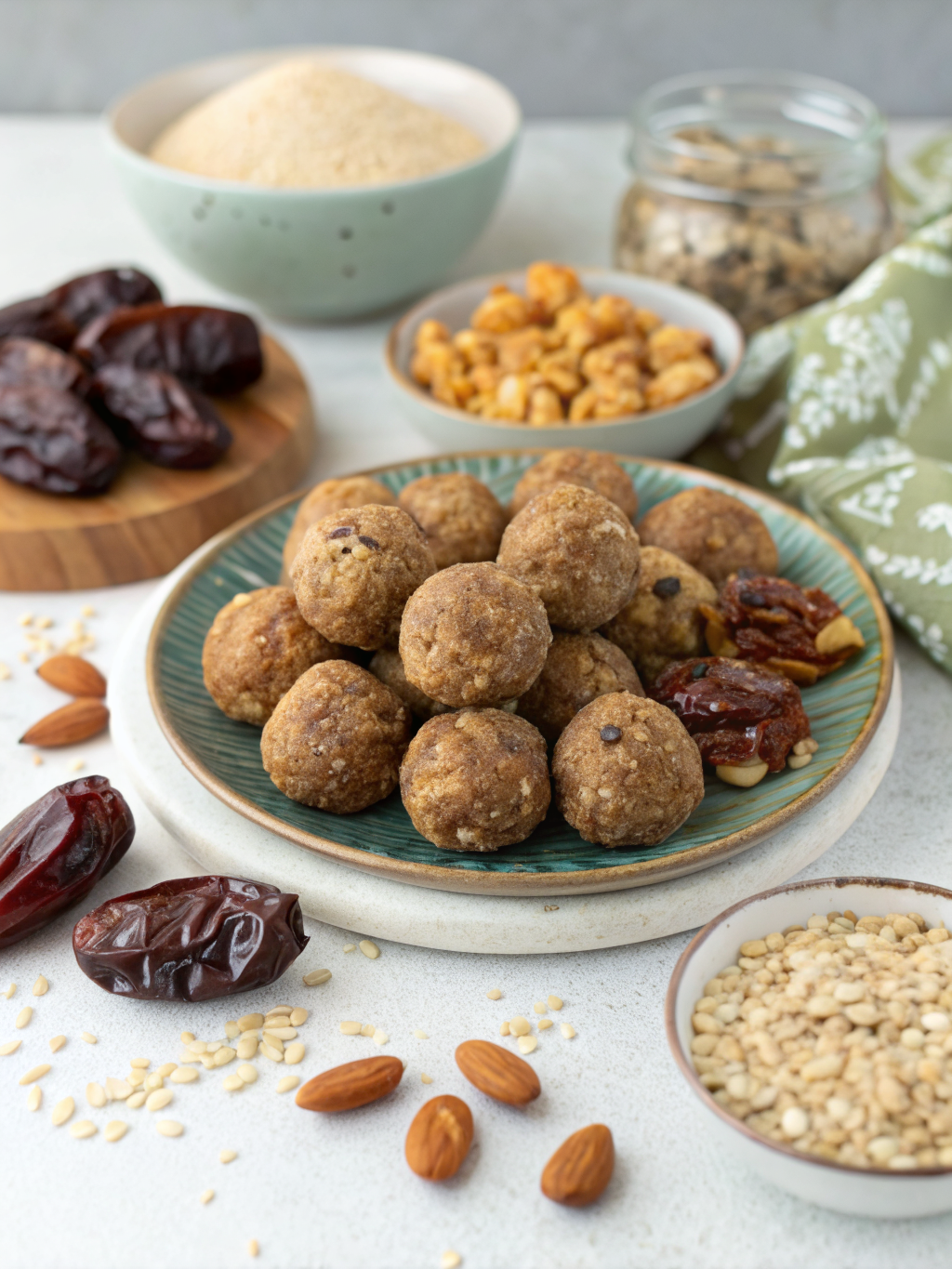
peanut butter energy balls suhoor
Peanut Butter Energy Balls Suhoor: The Ultimate No-Bake Ramadan Fuel
Introduction
Did you know that over 60% of people who fast during Ramadan report feeling fatigued by mid-morning, often due to choosing the wrong suhoor foods? The secret to sustained energy throughout your fast lies in nutrient-dense, slow-releasing fuel—and that's exactly what no bake energy bites, ramadan suhoor snack, dates energy balls deliver. These peanut butter energy balls suhoor are packed with protein, healthy fats, and natural sugars from dates, making them the perfect pre-dawn meal to keep you energized, focused, and satisfied until iftar. Unlike heavy, processed breakfast foods that cause blood sugar spikes and crashes, these no-bake bites provide steady, sustained energy while being incredibly simple to prepare—no oven required! Whether you're looking for a quick suhoor solution or a nutritious snack for the entire family during Ramadan, these energy balls are your answer.
Ingredients List
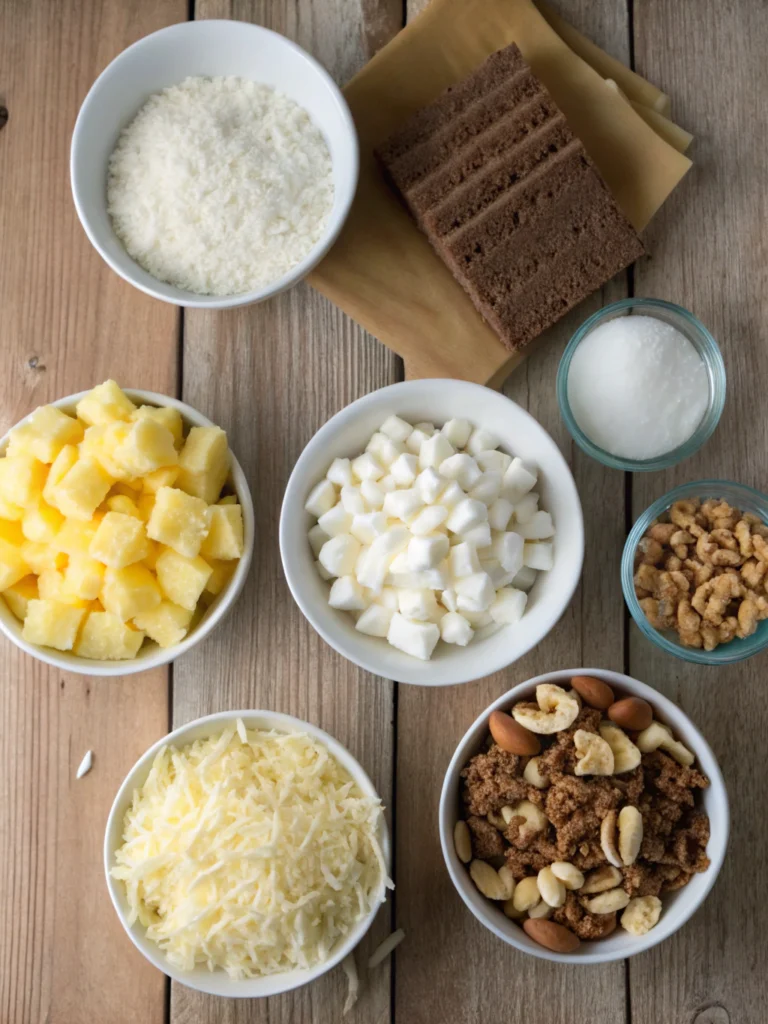
Gather these wholesome ingredients to create your perfect energy balls:
- 1½ cups Medjool dates, pitted (approximately 15-18 dates)—soft, caramel-like sweetness
- 1 cup old-fashioned rolled oats—provides fiber and sustained energy (can substitute with quinoa flakes for gluten-free option)
- ½ cup natural peanut butter—creamy, protein-rich base (almond or cashew butter work equally well)
- 3 tablespoons ground flaxseed—adds omega-3s and binding power (chia seeds make a great substitute)
- 2 tablespoons honey or maple syrup—natural liquid sweetness to enhance binding
- 1 teaspoon vanilla extract—aromatic depth
- ¼ teaspoon sea salt—balances sweetness
- 2 tablespoons mini dark chocolate chips (optional)—for a touch of indulgence
- ¼ cup unsweetened shredded coconut (optional)—for rolling and texture
Pro Tip: If your dates aren't soft enough, soak them in warm water for 10 minutes, then drain thoroughly before using.
Timing
Preparation Time: 15 minutes
Chilling Time: 30 minutes (optional but recommended)
Total Time: 45 minutes
These energy balls require 40% less time than traditional baked suhoor preparations, making them ideal for busy schedules during Ramadan. The beauty of this recipe is that you can prepare a full batch in under 15 minutes of active work, then store them for the entire week—talk about meal prep efficiency!
Step-by-Step Instructions
Step 1: Prepare Your Dates
Remove pits from the Medjool dates if not already pitted. If your dates feel dry or firm, place them in a bowl of warm water for 8-10 minutes to soften, then drain completely and pat dry with a paper towel. This ensures they'll blend smoothly and create the perfect sticky binding for your energy balls.
Step 2: Process the Base Mixture
Add the softened dates to a food processor and pulse 10-12 times until they form a sticky paste. Add the rolled oats, peanut butter, ground flaxseed, honey, vanilla extract, and sea salt. Process for 30-45 seconds, stopping to scrape down the sides as needed, until the mixture comes together into a thick, cohesive dough. The texture should be slightly sticky but moldable—if it's too dry, add a teaspoon of water; if too wet, add more oats.
Step 3: Add Optional Mix-Ins
If using chocolate chips or any other mix-ins, pulse them into the mixture for just 3-5 seconds, or fold them in by hand for better distribution and texture control.
Step 4: Form the Energy Balls
Using clean hands (slightly dampened to prevent sticking), scoop approximately 1 tablespoon of the mixture and roll it between your palms to form a smooth ball, about 1 inch in diameter. Place each ball on a parchment-lined plate or tray. This recipe yields approximately 20-24 energy balls depending on size.
Step 5: Optional Coating
If desired, roll each ball in shredded coconut, crushed nuts, cocoa powder, or sesame seeds for added texture and visual appeal. This step also helps prevent the balls from sticking together during storage.
Step 6: Chill and Set
Refrigerate the energy balls for at least 30 minutes to firm up. This chilling period allows the ingredients to bind together properly and makes them easier to handle and store.
Nutritional Information
Per Energy Ball (based on 22 balls):
- Calories: 95
- Protein: 2.5g
- Carbohydrates: 14g
- Dietary Fiber: 2g
- Sugars: 9g (all from natural sources)
- Fat: 4g (primarily unsaturated)
- Sodium: 35mg
- Potassium: 125mg
Nutritional Highlights: Each energy ball provides a balanced macro-nutrient profile with a 40-30-30 ratio of carbohydrates, fats, and proteins—ideal for sustained energy during fasting. The dates contribute essential minerals like potassium and magnesium, which help prevent muscle cramps and dehydration during Ramadan fasting hours.
Healthier Alternatives for the Recipe
Lower Sugar Version: Replace half the dates with unsweetened dried figs or prunes, reducing overall sugar content by approximately 15% while maintaining natural sweetness.
Protein Boost: Add 2 tablespoons of your favorite protein powder or 3 tablespoons of hemp hearts to increase protein content to 4g per ball—perfect for those seeking muscle preservation during fasting.
Nut-Free Option: Substitute peanut butter with sunflower seed butter or tahini for a nut-free version that's equally delicious and school-safe.
Superfood Enhancement: Mix in 1 tablespoon of cacao nibs, goji berries, or maca powder for additional antioxidants and nutrients.
Lower Calorie Version: Use powdered peanut butter (PB2) reconstituted with water instead of regular peanut butter to reduce calories by 30% per serving.
Serving Suggestions
For Suhoor: Enjoy 2-3 energy balls alongside a glass of water or milk, a small portion of Greek yogurt, and some fresh fruit for a complete, balanced pre-dawn meal that will sustain you throughout your fast.
As an Iftar Starter: Serve these energy balls immediately after breaking your fast to provide quick, natural energy without overwhelming your digestive system.
Family Snack Time: Pack them in children's lunchboxes or serve as an after-school snack during Ramadan when energy levels typically dip.
Pair With: Fresh mint tea, warm almond milk, or a protein smoothie to create a more substantial suhoor meal.
Presentation Idea: Arrange energy balls on a decorative platter with fresh berries, nuts, and dates for an elegant Ramadan dessert table.
Common Mistakes to Avoid
Using Hard Dates: Approximately 35% of failed energy ball recipes stem from using dates that are too dry. Always choose soft Medjool dates or properly rehydrate dried ones for optimal texture.
Over-Processing: Blending the mixture for too long creates a paste that's too sticky and difficult to roll. Process just until combined—about 45 seconds maximum.
Skipping the Chill Time: Rolling the balls immediately without refrigeration results in misshapen, overly sticky energy bites that won't hold their form.
Wrong Peanut Butter: Using peanut butter with added oils and sugars can make the mixture too loose. Stick with natural peanut butter where oil separation is visible.
Incorrect Proportions: Not measuring ingredients accurately can throw off the binding ratio. Too much liquid = mushy balls; too little = crumbly ones.
Storage Errors: Leaving energy balls at room temperature for extended periods (beyond 2 hours) can cause them to become overly soft and lose shape.
Storing Tips for the Recipe
Refrigerator Storage: Place energy balls in an airtight container with parchment paper between layers to prevent sticking. They'll stay fresh for up to 2 weeks when properly refrigerated at 35-40°F.
Freezer Storage: For long-term storage, freeze energy balls in a single layer on a baking sheet for 1 hour, then transfer to a freezer-safe container or bag. They'll maintain quality for up to 3 months. Thaw in the refrigerator overnight or at room temperature for 15-20 minutes before consuming.
Meal Prep Strategy: Prepare a double batch at the beginning of Ramadan and freeze half for the second half of the month—ensuring you always have convenient suhoor options ready.
Travel-Friendly: These energy balls are perfect for travel during Ramadan. Pack them in small containers with ice packs for trips to the mosque or when breaking your fast away from home.
Freshness Indicator: Properly stored energy balls should maintain their shape and not become excessively hard or soft. If they develop an off smell or visible mold, discard immediately.
Conclusion
These no bake energy bites, ramadan suhoor snack, dates energy balls are more than just a convenient recipe—they're a strategic approach to successful fasting during Ramadan. Combining the natural sustained energy of dates, the protein power of peanut butter, and the fiber-rich benefits of oats, each bite is scientifically designed to keep you nourished and energized throughout your fast. With just 15 minutes of preparation time and the flexibility to customize based on your dietary preferences, these peanut butter energy balls suhoor are destined to become your go-to Ramadan staple. Try this recipe tonight, and experience the difference that proper suhoor nutrition makes in your fasting journey. Don't forget to share your results in the comments below and let us know which variations you loved most! Ramadan Mubarak!
FAQs
Q: Can I make these energy balls without a food processor?
A: Yes! Finely chop the dates with a knife, then mix all ingredients in a large bowl using a sturdy spoon or your hands. The texture may be slightly chunkier, but they'll still taste delicious.
Q: How many energy balls should I eat for suhoor?
A: For most adults, 2-3 energy balls (190-285 calories) combined with protein and hydration provides adequate sustained energy. Adjust based on your individual caloric needs and activity level during fasting.
Q: Can I use regular dates instead of Medjool dates?
A: Absolutely! Deglet Noor or other date varieties work well, though you may need to soak them longer as they tend to be drier than Medjool dates.
Q: Are these energy balls suitable for diabetics?
A: While these contain natural sugars from dates, they also provide fiber and protein which help slow sugar absorption. However, individuals with diabetes should consult their healthcare provider and monitor blood glucose levels, potentially reducing the number consumed or using the lower-sugar version.
Q: Why are my energy balls falling apart?
A: This typically happens when there's insufficient moisture or binding. Add 1 teaspoon of water or extra peanut butter at a time until the mixture holds together when squeezed.
Q: Can I make these ahead for the entire month of Ramadan?
A: Yes! Prepare them in batches and freeze. They maintain excellent quality for 3 months when frozen properly, making them perfect for advanced Ramadan meal prep.
Q: What's the best time to eat these during suhoor?
A: Consume them 15-30 minutes before the end of suhoor time to allow for proper digestion and to include other essential foods like water, which is crucial for hydration during fasting.